News
Waste Electrics and Electronical in the UK
Waste Electronics
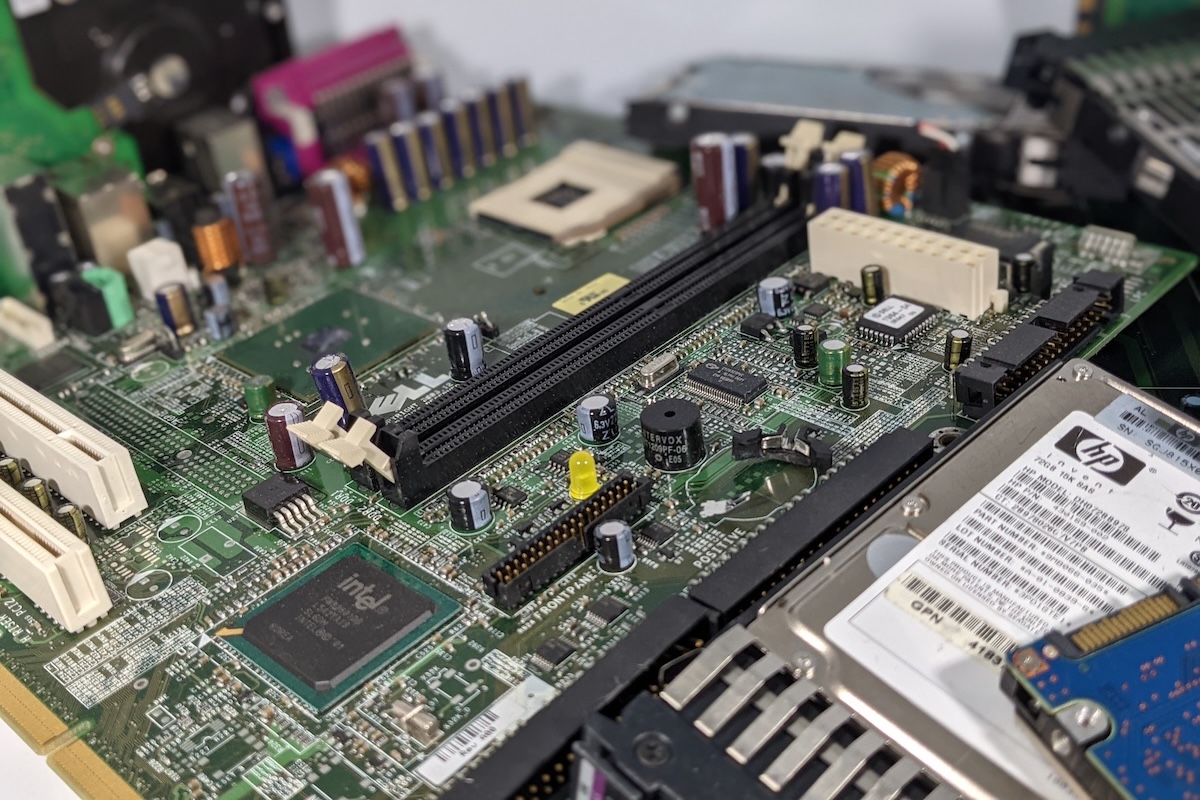
Waste electronics, also known as e-waste, is a growing problem in today's society. With the rapid advancement of technology, more and more electronic devices are becoming obsolete and are being thrown away at an alarming rate. E-waste includes a wide range of products such as computers, televisions, cell phones, and household appliances. The proper disposal of e-waste is crucial for protecting the environment and human health.
When e-waste is not properly disposed of, it can cause significant harm to the environment. Electronic devices contain a variety of toxic chemicals, such as lead, mercury, and cadmium, which can leach into the soil and water if not properly disposed of. These chemicals can then enter the food chain, potentially causing harm to wildlife and human health. Additionally, e-waste can release greenhouse gases, such as methane and carbon dioxide, contributing to climate change.
Another important aspect to consider when discussing the proper disposal of e-waste is the presence of Persistent Organic Pollutants (POPs) in electronic devices. POPs are a group of toxic chemicals that are resistant to degradation and can persist in the environment for long periods of time. These chemicals are known to have detrimental effects on human health and the environment.
Examples of POPs found in e-waste include polychlorinated biphenyls (PCBs) and polybrominated diphenyl ethers (PBDEs). PCBs were commonly used as coolants and lubricants in electronic devices, while PBDEs were used as flame retardants. Both of these chemicals have been linked to a variety of health problems, including cancer, developmental disorders, and reproductive problems.
Furthermore, improperly disposing of e-waste can also harm human health. Many e-waste recyclers in developing countries lack proper safety equipment and training, putting workers at risk of exposure to toxic chemicals. Improper e-waste disposal can also lead to the release of harmful particulates into the air, which can cause respiratory problems and other health issues.
To properly dispose of e-waste, it is important to recycle or properly dispose of electronic devices through certified e-waste recyclers.
It is the responsibility of both individuals and companies to properly dispose of e-waste and to make conscious choices about the products they use and dispose of.
iWaste is here to help dispose of your e-waste in a proper manner, focusing on accurate training and sustainability within the UK, ensuring the safety of both customers and employee’s.
About iWaste
iWaste is based at Unit 4 Ducks Nest Farm, Eversley Road, Arborfield, Reading, RG2 9PJ, telephone 0330 1200 250, email
The company was established in 2013 by Sam Prentice and Sam Mountain. After many years of working in waste management, Sam and Sam recognised a distinct lack of industry-wide customer service.
With iWaste, they have addressed this absence by providing innovative processes that focus on offering seamless waste management to clients across the UK.
iWaste’s drive to provide flawless client services, in combination with the knowledge and experience possessed by the team, has helped iWaste gain a reputation as one of the UK’s most trusted E waste companies.
iWaste provides electronic waste collection services, secure data destruction, electronic recycling equipment and WEEE (Waste Electrical and Electronic Equipment) disposal for businesses across the UK.
The firm’s client portfolio includes corporations such as BP Oil, 3M and public sector organisations such as the NHS.